
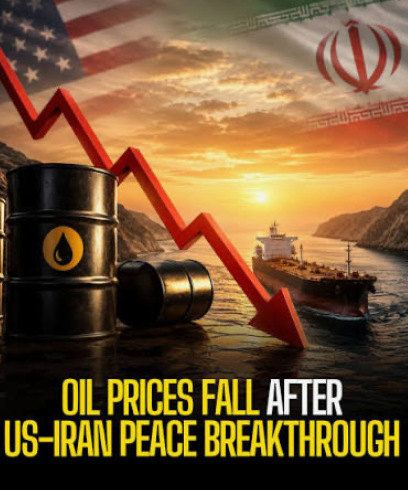
The failure to begin formal negotiations, combined with renewed danger in the Strait of Hormuz, is increasing pressure on global energy markets.
By MBQ Magazine News Desk
August 18, 2026
Tensions between the United States and Iran are intensifying after a 60-day deadline for reaching a permanent peace agreement expired without substantive negotiations beginning.
The negotiating window was established under a June memorandum intended to end military hostilities, reopen the Strait of Hormuz and create a framework for resolving the long-running dispute over Iran’s nuclear program. Instead, Washington and Tehran now appear further apart, with both governments accusing the other of violating the interim agreement.
President Donald Trump said the United States has no talks currently scheduled with Iran. Tehran maintains that it stopped negotiating directly with Washington in June, although diplomatic messages have reportedly continued through intermediaries.
At the center of the confrontation is the Strait of Hormuz, one of the world’s most strategically important energy corridors. Before the current conflict, approximately one-fifth of globally traded oil and natural gas passed through the waterway.
Commercial traffic through the strait remains severely restricted. The latest warning came when a vessel near Oman was struck by a projectile, reportedly killing one person. The incident added to concerns about the safety of commercial shipping and the possibility that the confrontation could expand.
Iran has demanded the lifting of the American blockade, the withdrawal of U.S. forces from areas surrounding the country and reparations for wartime damage. Iranian officials have also asserted that Tehran should retain a controlling role over passage through the strait.
The Trump administration has rejected those demands. Washington is instead relying on economic sanctions, military pressure and restrictions on Iranian oil exports to force Tehran back to the negotiating table.
Oil markets are reacting to the growing uncertainty. Brent crude recently traded near $89 per barrel after rising as doubts about diplomatic progress increased. American gasoline prices have also climbed, with the national average reportedly reaching approximately $4.06 per gallon—about one dollar higher than a year earlier.
The consequences extend far beyond the Middle East. Higher transportation and energy expenses can increase the cost of food, manufacturing, construction materials and consumer goods. Small businesses are particularly vulnerable because many lack the financial flexibility to absorb sudden fuel and supply-chain increases.
There is also growing concern that pressure on the Strait of Hormuz could be compounded by attacks on other regional shipping and energy infrastructure. Iran-backed Houthi forces have targeted Saudi oil interests and vessels operating around the Red Sea, placing additional pressure on alternative trade routes.
Pakistan, Oman and other regional governments continue attempting to mediate. Pakistan has said it is working to bring both sides back to the negotiating table, while Turkey has publicly encouraged the Trump administration to pursue a diplomatic solution.
For now, however, neither Washington nor Tehran has shown a willingness to make the concessions necessary for a broader agreement.
The expired deadline does not automatically mean that diplomacy is over. It does mean that the original peace framework has effectively failed to produce its intended results. Unless negotiations restart, businesses and consumers should prepare for continued volatility in oil prices, transportation expenses and global financial markets.
The Strait of Hormuz may be thousands of miles from the United States, but its disruption will continue to be felt at American gas stations, inside corporate budgets and throughout the global economy.
Sources: Associated Press: Current U.S.–Iran developments, Associated Press: Status of the 60-day deadline, and WTTW/AP report on the stalled peace framework.