Let us begin with what should not be controversial: Invest Fest is an impressive Black entrepreneurial success story.
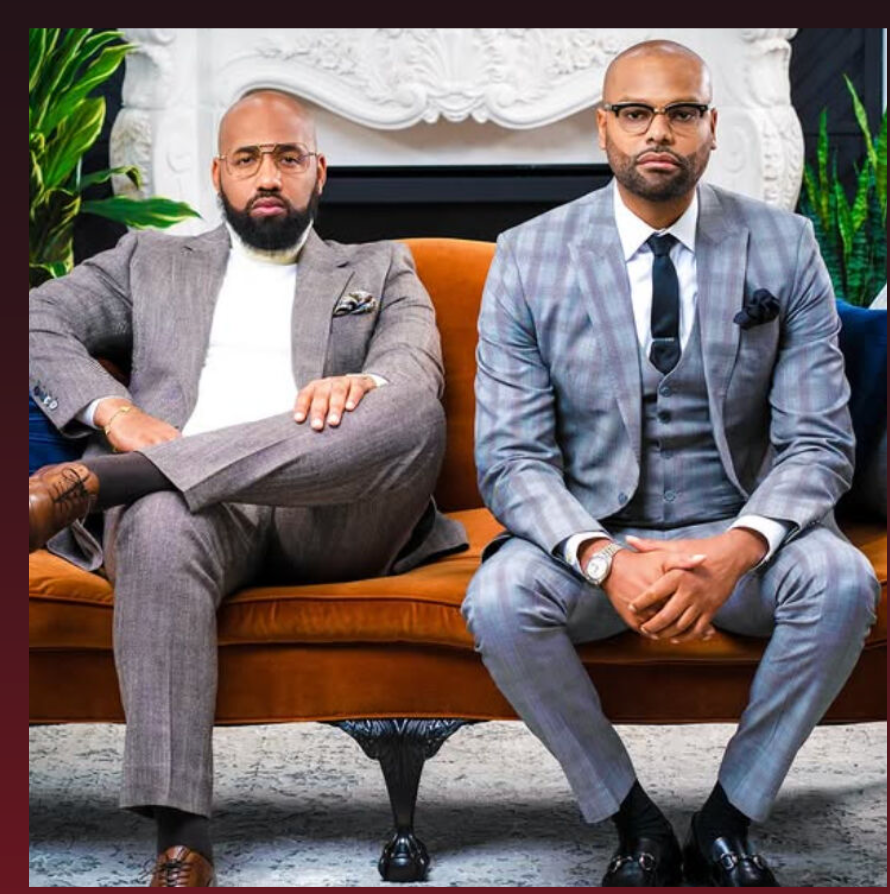
Rashad Bilal, Troy Millings and their partners built a financial and business festival capable of attracting national speakers, corporate attention and tens of thousands of attendees. The sixth annual conference reportedly drew more than 31,000 people to the Georgia World Congress Center, featured Serena Williams as its first female headliner and awarded a combined $250,000 to two startup competition winners. That is not a neighborhood seminar. It is a major commercial platform with real economic power.
But success does not erase origin.
That is why Bilal’s insistence that Invest Fest was never a “Black” conference landed so hard in parts of the community. He is correct that investing, entrepreneurship and ownership are not Black-only subjects. Financial education should cross racial, geographic and political lines. A Black-founded business should be free to grow into a global institution without being placed in a small racial box.
Still, there is a meaningful difference between refusing to be limited by race and appearing to distance yourself from the Black community that supplied much of your earliest cultural capital.
According to reporting by The Atlanta Journal-Constitution, Invest Fest was started because its founders believed the Black business community lacked a dedicated festival. They selected Atlanta because of the city’s stature in Black business and because a significant share of Earn Your Leisure’s audience was already here. Troy Millings also told the newspaper that slightly more than half of Invest Fest attendees came from metro Atlanta.
That history matters.
Invest Fest does not have to be exclusive to Black people to acknowledge that Black people—especially Black Atlanta—were central to its identity, credibility and growth. Motown sold music to the world, but nobody had to deny Detroit or Black culture to make the music universal. Essence welcomes major corporations and a global audience, but it does not become embarrassed by the Black women who made the brand powerful.
The better message from Invest Fest would have been simple: We were built from the Black financial empowerment movement, and we are proud to welcome the world.
That statement expands the tent without removing the foundation.
Atlanta Is Not an ATM—but Partnership Is Bigger Than a Check
The other side of this disagreement also deserves honest examination.
During an appearance on The Breakfast Club, Bilal and Millings criticized what they described as a lack of meaningful support from Atlanta’s city government. Their complaint was not framed only as a request for direct cash. They discussed promotion, hotel coordination, public-safety logistics, relationships with the convention center and introductions to potential corporate partners.
Mayor Andre Dickens pushed back publicly and forcefully. His essential message was that Atlanta supports people and institutions that demonstrate a lasting commitment to the city. That position resonated with residents who have watched national brands come into Atlanta, sell tickets to Black consumers, use Atlanta’s cultural appeal and then leave without building much local infrastructure.
The mayor is right about one thing: No private, for-profit event is automatically entitled to public money. A large audience, celebrity lineup or powerful podcast does not create a blank check from taxpayers. Atlanta hosts hundreds of meetings and conventions, and government cannot subsidize every promoter who believes an event generates economic impact.
But the founders are right about something, too: Government support is not limited to writing a check.
A city can help coordinate transportation, public safety, permits, neighborhood engagement, small-business procurement, youth programming, hospitality partnerships and corporate introductions. Those forms of assistance can be appropriate when an event attracts visitors, creates contracts and advances a legitimate public goal such as financial literacy.
The dispute was further complicated by jurisdiction. The Georgia World Congress Center is controlled by the state, not the City of Atlanta, as Gathering Spot founder Ryan Wilson noted during the controversy. If organizers expected the mayor’s office to deliver concessions involving a state-controlled venue, both sides needed a clearer written partnership structure from the beginning.
This is where experienced business people should move beyond social-media language and into measurable economics.
How many hotel-room nights did Invest Fest generate? How much local sales-tax revenue was produced? How many Atlanta residents were employed? How many contracts went to Atlanta-based Black vendors? How much revenue did the vendor marketplace generate? How many local students received year-round financial education after the stage lights went off?
Those numbers—not podcast insults, political applause lines or Instagram clips—should determine the value of a public-private partnership.
Black Cultural Capital Has Financial Value
For decades, Black communities have supplied corporations with culture, customers, credibility and coolness, only to be told later that the product was never particularly Black.
That pattern is why the Invest Fest language struck a nerve.
Black cultural capital is an economic asset. It includes trust, audience loyalty, word-of-mouth promotion, community validation, creative energy and the ability to make an emerging platform culturally relevant. Those assets may not appear on a balance sheet, but without them many companies would never develop valuable brands.
Invest Fest benefited from Atlanta’s reputation as a center of Black entrepreneurship, entertainment, political leadership and professional ambition. Atlanta, in turn, benefited from the visitors, spending, visibility and financial conversations the festival produced. This was never a one-way act of charity by either side. It was an exchange of value.
That exchange should be respected in both directions.
Atlanta should not treat a successful Black-founded financial festival as interchangeable with every other convention. Invest Fest has the ability to place investing, estate planning, artificial intelligence, real estate and entrepreneurship in front of an audience that traditional financial institutions have often failed to serve.
At the same time, Invest Fest should not speak as though the Black identity attached to the conference is merely an inconvenient label imposed by critics. The Black community did not diminish Invest Fest by recognizing itself in the event. It helped distinguish Invest Fest from an already crowded market of business conferences.
Reconciliation Was the Right Business Decision
Fortunately, the public conflict did not become the final chapter.
Mayor Dickens joined Bilal and Millings onstage during the 2026 festival after the parties held what Dickens called necessary conversations. The founders and the mayor signaled that they would discuss Invest Fest 2027 and opportunities to connect future investment with Atlanta, including the city’s south side.
That was the mature move.
The festival also expanded its direct youth engagement. Millings said 350 students participated in a full day of curriculum, including more than 200 students from metro Atlanta schools, and a student entrepreneur received $15,000. Those are meaningful steps. The next goal should be turning one-day exposure into a year-round pipeline with published outcomes.
For 2027, Atlanta and Invest Fest should negotiate a transparent community-benefit framework. It should identify what the city, state, convention bureau, corporate sponsors and festival organizers will each contribute. It should also establish goals for local hiring, Black-owned vendor participation, student programming, business grants, neighborhood investment and independently reported economic impact.
That framework would protect taxpayers, give organizers dependable points of contact and show residents exactly what Atlanta receives in return.
The Bottom Line
Invest Fest can be a world-class business festival for everybody. In fact, it should aspire to compete with the largest investment and economic conferences anywhere.
But becoming global does not require becoming culturally amnesiac.
Black people have no interest in restricting the growth of a Black-founded enterprise. We do, however, have every right to ask whether the people who helped build its market will remain visible in its mission, procurement, leadership and distribution of opportunity.
The real test is not whether Invest Fest uses the words “Black event.” The test is whether Black entrepreneurs leave with more contracts, whether Black founders gain more capital, whether Atlanta students receive lasting financial education and whether the wealth discussed onstage begins circulating through the community outside the convention center.
Labels matter less than outcomes—but language reveals priorities.
Invest Fest should welcome everyone. Atlanta should negotiate responsibly. And both sides should remember the same financial truth: When people contribute capital—whether money, labor, loyalty or culture—they deserve recognition and a fair return on their investment.
Sources
- The Atlanta Journal-Constitution: Invest Fest coming to Atlanta for sixth year, but that may change
- TheGrio: Rashad Bilal addresses Invest Fest backlash and says it is not a “Black” conference
- BlackPressUSA: Inside the Invest Fest–Atlanta dispute and reconciliation
- Black Enterprise: Invest Fest 2026 reports record attendance and onstage reconciliation