The commercial real estate landscape is currently navigating a period of profound structural realignment. As we progress through April 2026, the “office crisis” has evolved from a speculative concern into a quantifiable mechanical failure of the traditional capital allocation model. For the sophisticated investor, understanding the physics of this collapse is not merely a defensive necessity: it is the prerequisite for identifying the next decade’s alpha.
The era of passive appreciation in commercial office space has officially concluded. We have entered a high-stakes environment where liquidity is scarce, and the securitization of debt is under extreme scrutiny. To ignore the record levels of office distress currently flooding the market is to ignore the most significant real estate investment trends of the 2020s.
I. THE MACROECONOMIC CATALYST: ANALYZING THE 12.3% CHOKEPOINT
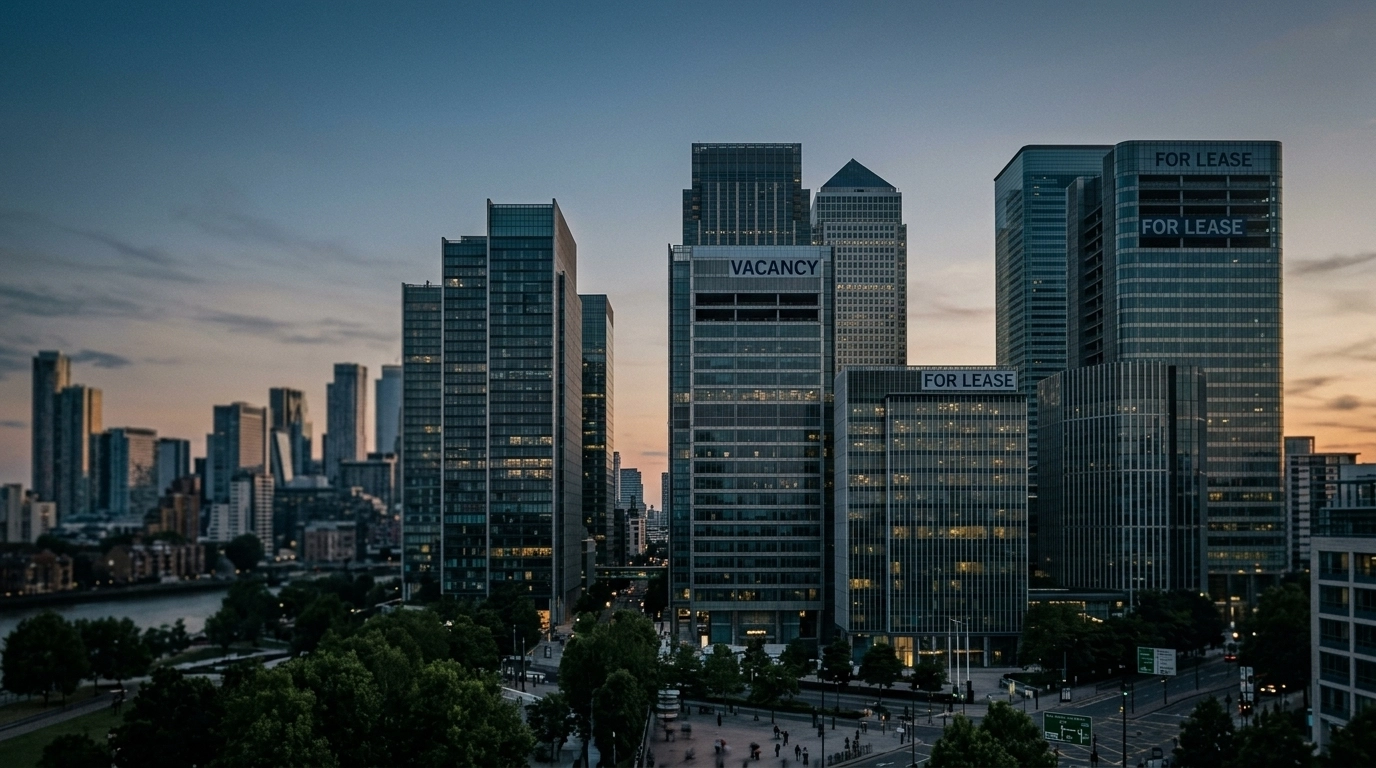
In January 2026, the market hit a grim milestone: the Office CMBS Delinquency Rate spiked to 12.3%. This is not just a statistical anomaly; it is a historical record that exceeds the peak of the 2008 Financial Crisis by a staggering 1.6 percentage points. The office sector, once the bedrock of institutional portfolios, has become the primary driver of defaults in the commercial mortgage-backed securities market.
- The Inventory Overhang: A significant volume of Class B and C office properties are now functionally obsolete. As major tenants downsize, vacancy rates in secondary assets have surged past 37% in specific urban corridors.
- The Refinancing Wall: Trillions in commercial debt are maturing in 2026. With interest rates stabilized at higher-than-historical norms, the “math” for refinancing no longer computes, forcing institutional players into distressed sales or foreclosures.
This surge in distress acts as a chokepoint, restricting the flow of traditional bank capital into the sector. When the primary lending conduits seize up, the result is a systemic liquidity crunch that forces assets to be re-priced at cents on the dollar.

Synthesis: The 12.3% delinquency rate is the mechanical trigger for a massive transfer of wealth. Assets are being decoupled from their historical valuations, creating a vacuum that only private, agile capital can fill.
II. THE SECURITIZATION EQUATION: FROM LIQUIDITY TO DISTRESS
To understand the current crisis, one must view it as a mechanical formula. The stability of commercial real estate has historically relied on a predictable input-output relationship between occupancy and debt servicing.
The Equation of Distress:
(Declining Occupancy + Elevated Interest Rates) ÷ (CMBS Maturity) = Forced Deleveraging
As corporate tenants shift toward hybrid models, the fundamental value of “the square foot” has been diluted. This dilution creates a floodgate of defaults as properties fail to meet their debt-service coverage ratios (DSCR).
- The Securitization Trap: Many of these distressed assets are bundled into CMBS pools. When a single anchor tenant exits, the entire security is downgraded, triggering margin calls and forced liquidations.
- The Contagion Effect: While the office sector is the accelerator, the resulting liquidity drain is beginning to impact adjacent sectors. Investors are pulling back from mixed-use developments, waiting for the floor of the office market to materialize.
For those tracking business insights, this period mirrors the “cleansing” cycles of the early 90s, where those who understood the mechanics of distressed debt were able to position money for long-term opportunity.
III. STRATEGIC CAPITAL ALLOCATION: THE FLIGHT TO QUALITY
Amidst the wreckage of secondary office space, a new phenomenon is emerging: the Flight to Quality. This is the single most critical of the real estate investment trends to monitor in 2026. While older buildings face the “corporate axe,” newer, “Prime Plus” assets are seeing record-low vacancies.

- The Amenities Arms Race: Companies are no longer renting space; they are renting “culture” and “retention.” Buildings that integrate high-end wellness centers, integrated artificial intelligence for building management, and sustainable architecture are commanding a 30% rent premium over their counterparts.
- Adaptive Reuse as a Catalyst: The most forward-thinking developers are no longer trying to fill vacant desks. They are securitizing the conversion of distressed office towers into high-end luxury residential units or specialized data centers.
Impact Analysis: Capital is not leaving real estate; it is being reallocated. According to CBRE, total commercial real estate investment activity is projected to increase by 16% to $562 billion in 2026. The shift is away from “commodity office” and toward specialized, high-utility assets.
IV. THE 2026 INVESTMENT FORMULA: STRATEGIC POSITIONING AMID SEISMIC SHIFTS
The record distress in the office sector is not a signal to exit the market; it is a signal to evolve your strategy. The “passive” investor who relies on general market growth will be liquidated. The “analytical” investor who understands macroeconomic trends will thrive.
- Distressed Debt Acquisition: The coming months will provide rare opportunities to acquire high-quality land and shells at values lower than replacement costs.
- Technology Integration: Leveraging artificial intelligence for market analysis allows investors to spot micro-trends in tenant migration before they appear in public reporting.
- Portfolio Diversification: High-net-worth investors are moving away from monolithic office holdings and into diversified, tangible assets including precious metals and luxury spirits to hedge against volatility in the commercial debt market.
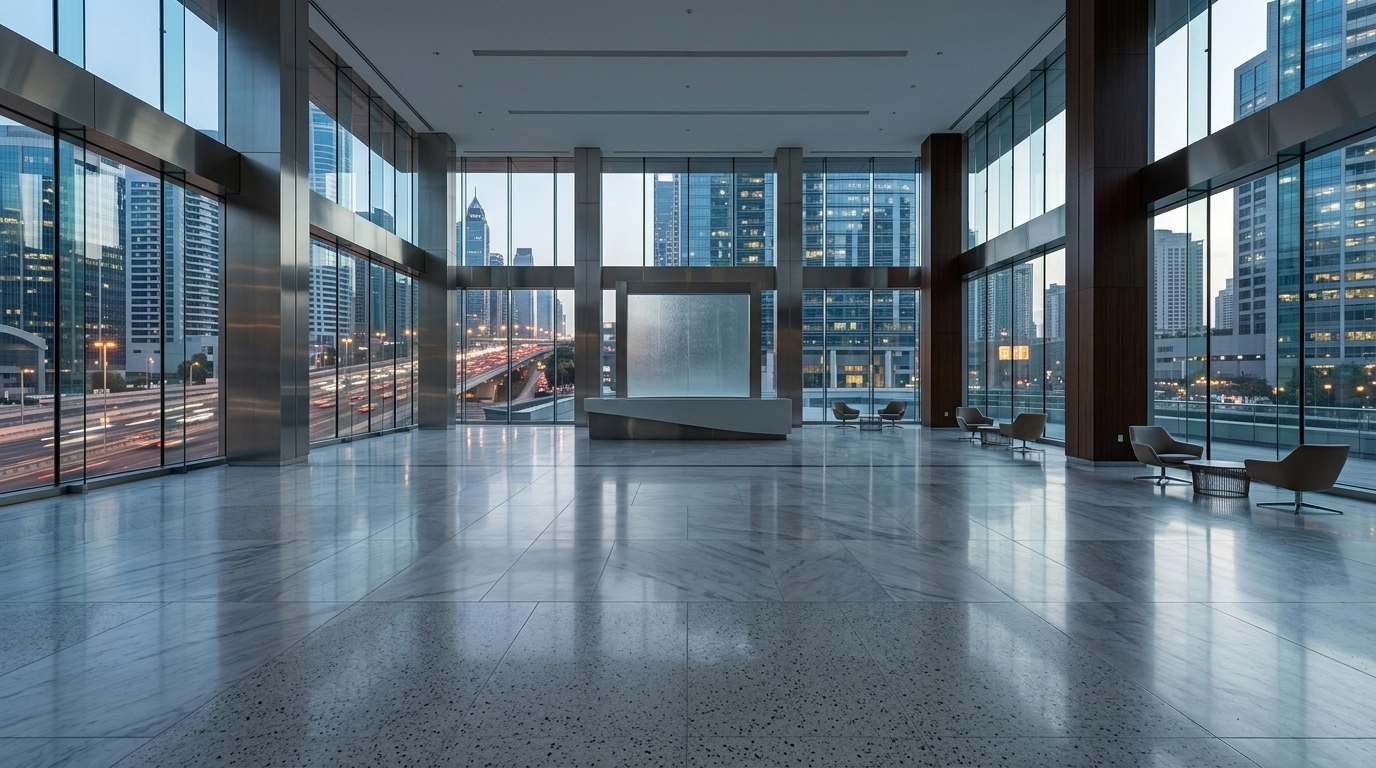
Synthesis: The “Office Distress” of 2026 is the Great Reset of the commercial world. By purging the market of inefficient, obsolete space, the industry is paving the way for a more resilient, technology-driven era of wealth building.
V. FINAL IMPACT: THE BEYOND-THE-OFFICE THESIS
The record-breaking 12.3% delinquency rate is a natural force: a forest fire that clears the old growth to make room for the new. As we look toward the latter half of 2026, the real estate investment trends indicate a market that is smaller in footprint but higher in value.
For the modern businessman, the directive is clear: securitize your gains, allocate capital to “Prime Plus” assets, and maintain the liquidity necessary to strike when the distressed debt market hits its final trough. The office is not dead; it is being reborn. Your success in 2026 depends on which side of the conversion you stand on.
For more deep-dives into the forces shaping the global economy, visit our Business Insights section.