
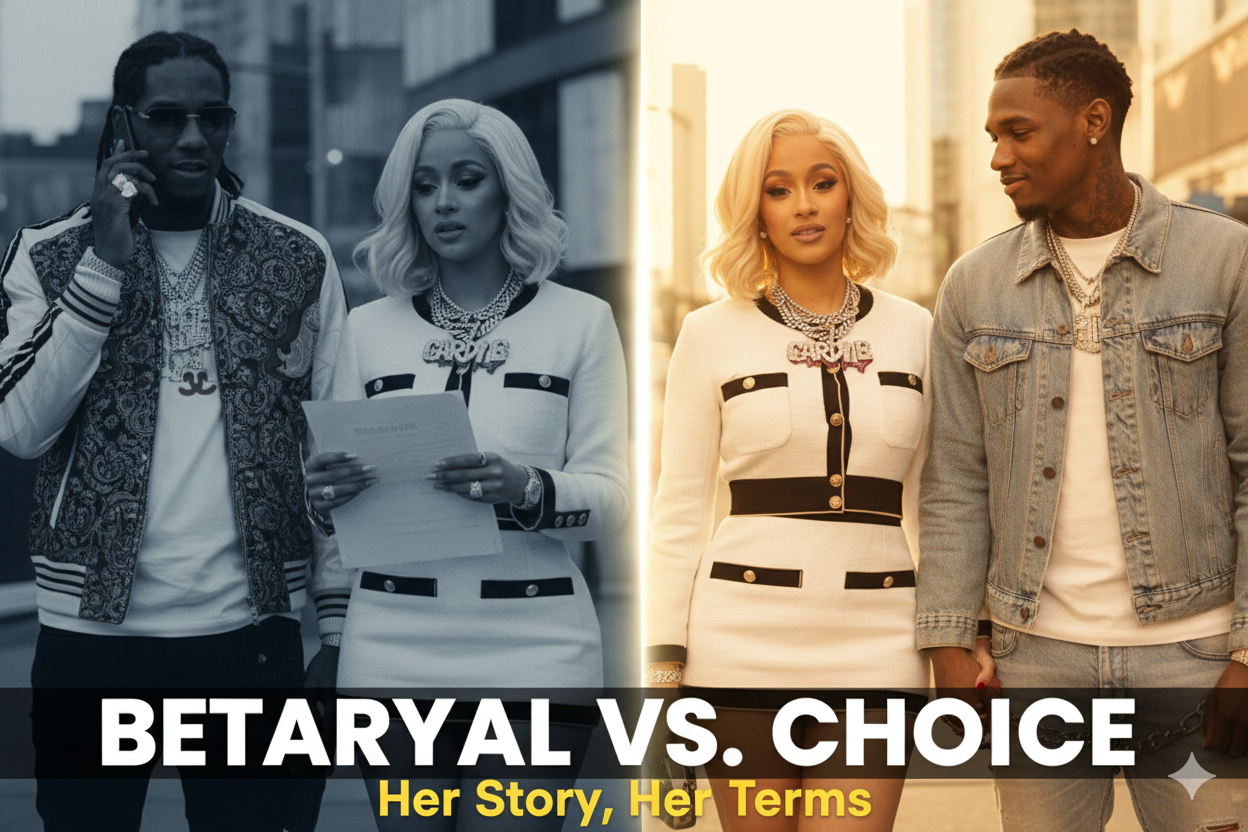
Betrayal vs. Choice: Why Leaving a Cheating Husband Doesn’t Always Lead to a “Better” Man
By Men’s Business Quarterly Staff
Relationships • Culture • Modern Dating
A Woman Leaves Her Husband Because He Cheated.
She draws a line.
She finally says enough.
She refuses betrayal.
Everyone applauds.
The world says:
“Good for her. She knows her worth.”
But then…
Not long after, she’s linked to another man.
A man with a reputation.
Multiple relationships.
Children with other women.
A lifestyle that looks even messier.
And suddenly, the internet becomes a courtroom:
-
“How does that make sense?”
-
“Were her standards fake?”
-
“Why leave one mess just to enter another?”
But relationships are rarely about surface-level logic.
They’re about expectations.
Emotional contracts.
Identity.
Control.
And the deeper truth is this:
Leaving isn’t always about cheating.
It’s about what cheating represents.
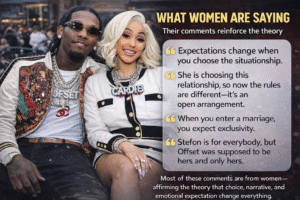
What Women Are Saying
Cheating Isn’t Always the Crime — Disrespect Is
Most people assume a woman leaves because of the act itself.
But cheating often symbolizes something deeper:
-
Public humiliation
-
Emotional abandonment
-
Feeling replaceable
-
Loss of safety
-
Betrayal of the role she thought she held
In marriage, cheating isn’t just a mistake.
It’s a violation of a promise.
It tells her:
“The commitment wasn’t real.”
So when she leaves, she may not be saying:
“I demand perfection.”
She’s often saying:
“I refuse to be disrespected inside something that was supposed to be sacred.”
The Reality Behind Women’s Choices
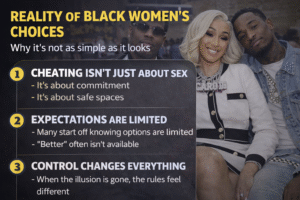
The Myth of the “Upgrade” After a Breakup
Society loves a clean storyline:
Bad husband → Divorce → Better man → Happy ending.
But human psychology doesn’t work like that.
People don’t always choose their next relationship based on healing.
They choose it based on emotional hunger:
-
Validation
-
Excitement
-
Escape
-
Revenge
-
Attention
-
Freedom
Sometimes the next relationship isn’t about peace.
It’s about feeling alive again.
And chaos can feel like aliveness.
Key Factors in Relationship Choices
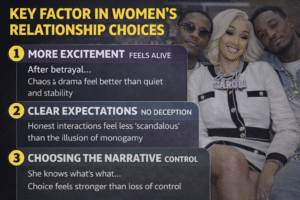
Celebrity Love Isn’t Normal Love — It’s Theater
In celebrity culture, relationships aren’t private.
They’re performed.
Fame changes the rules:
-
Options are endless
-
Temptation is constant
-
Romance becomes branding
-
Breakups become headlines
-
Loyalty becomes negotiable
So what looks like “tolerating worse” to outsiders may feel like:
“This is the lifestyle. I’m choosing it differently now.”
Betrayal vs. Choice
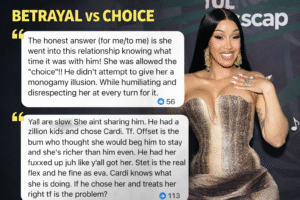
Marriage Comes With Expectations — Situationships Come With Flexibility
Marriage is structured:
-
Commitment
-
Exclusivity
-
Roles
-
Accountability
A situationship is different.
It’s often built on understanding rather than vows.
And that’s where the key psychological difference lies:
Betrayal hurts more when it violates a promise.
Marriage comes with an emotional contract.
Situationships come with disclaimers.
Why Situationships Feel Different
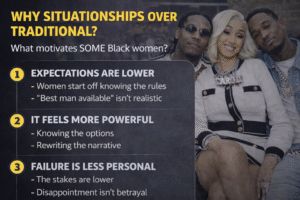
What Women Are Saying: The Expectation Gap Theory
Interestingly, many of the strongest explanations online came from women themselves.
Their comments reinforce a central truth:
Expectations change when you choose the arrangement.
One woman summarized it clearly:
“Offset made a commitment to her. Stefon didn’t. That’s the difference.”
Another added:
“When you enter marriage, you expect exclusivity.”
Women emphasized that the pain isn’t about imperfection.
It’s about deception.
As one comment explained:
“Men being unfaithful while claiming monogamy is deceitful at the very least.”
In other words:
-
If you enter marriage expecting loyalty and get betrayal, it’s humiliation.
-
If you enter something casual knowing the rules are different, it’s choice.
Control changes the emotional experience.
Women Online Reinforcing the Theory
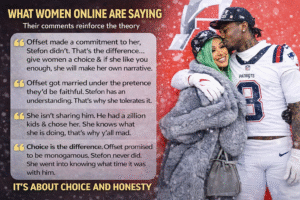
Choice vs. Betrayal: The Core Difference
This is the heart of it:
A woman may tolerate a messier situation afterward because:
-
She’s no longer under an illusion
-
She’s not being promised exclusivity
-
She knows what time it is
-
She feels emotionally in control
The betrayal in marriage isn’t just cheating.
It’s the breaking of the narrative.
The Double Standard Conversation
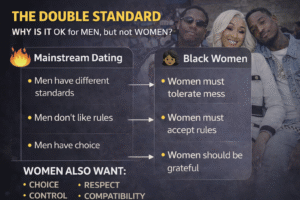
Modern Dating Is Built on Emotional Consumption
In today’s culture, dating is less about building…
…and more about feeling.
People don’t ask:
“Can we grow together?”
They ask:
“Do you make me feel something?”
Modern dating rewards:
-
Excitement over stability
-
Chemistry over character
-
Drama over depth
-
Desire over peace
So the healthiest partner can feel boring…
…and the chaotic one can feel addictive.
Agency and Modern Relationship Choices
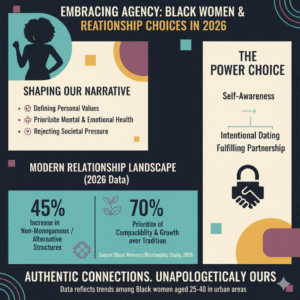
Final Truth: Leaving Doesn’t Always Mean You Want Better — Sometimes You Want Different
The public wants love to be simple:
Bad man → Leave → Upgrade → Happy ending.
But real life is more complicated.
Sometimes leaving is about refusing disrespect…
…and the next chapter is about reclaiming control.
Sometimes she doesn’t tolerate worse…
She tolerates what she understands.
Marriage betrayal cuts deeper because it was supposed to be safe.
A situationship hurts less because nobody promised safety in the first place.
The Silent Exodus
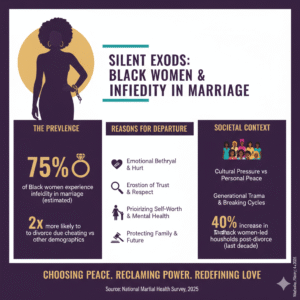
In Short
She may have left the husband because of:
-
Broken vows
-
Humiliation
-
Emotional disrespect
-
Betrayal of exclusivity
But she may tolerate the next situation because of:
-
Choice
-
Clarity
-
Different expectations
-
Emotional freedom
-
No illusion of monogamy
Final Thought
The real question isn’t:
“Why would she tolerate worse?”
The real question is:
What did she expect… and what did she agree to?
Because in modern love…
Expectations are everything.
About Men’s Business Quarterly
MBQ Magazine explores modern masculinity, culture, relationships, power, and the emotional realities shaping today’s world.