

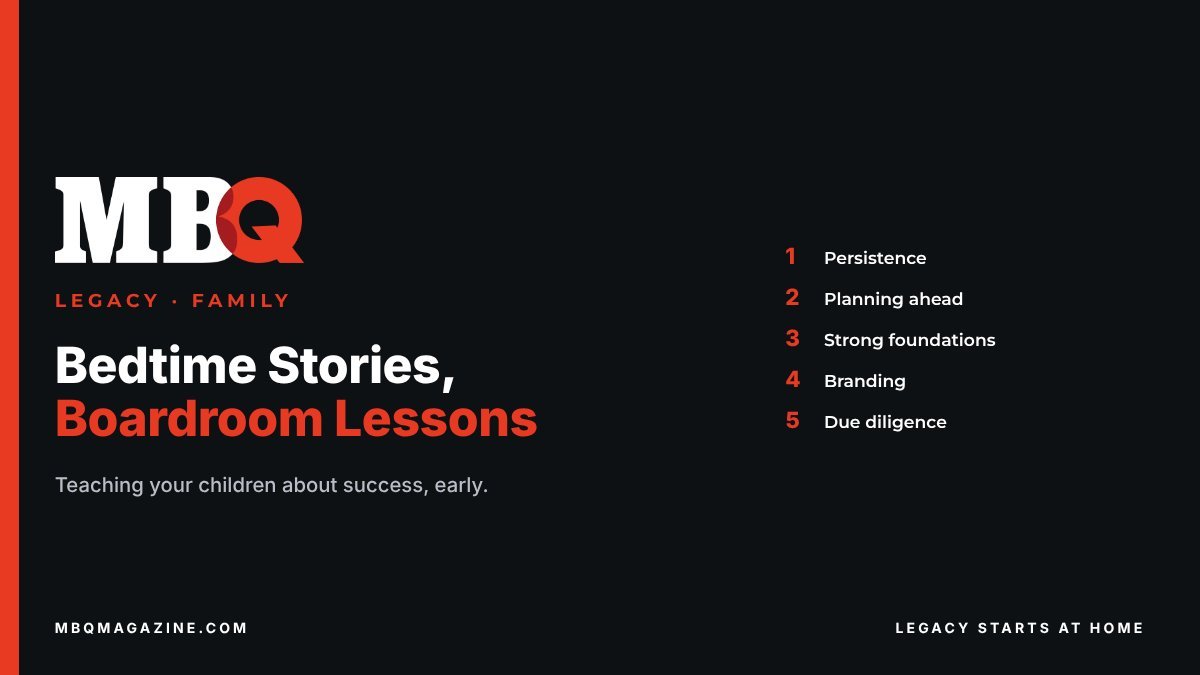
The first business school your children attend is the one at bedtime. Nine classic stories every family already owns hold the core lessons of success: persistence, planning, partnership, branding and judgment. Here’s how to teach them on purpose.
Why start early?
Kids pick up money habits and attitudes about work long before they earn a dollar. They watch how we talk about bills, how we handle setbacks and whether we finish what we start. Stories give us a simple way to put words to those lessons. A child who can’t follow a lecture on cash flow can absolutely tell you why the grasshopper went hungry.
Our last story looked at 1939, the year a president moved Thanksgiving to boost holiday sales. That same year, a copywriter at Chicago’s Montgomery Ward department store wrote a free giveaway booklet about a reindeer with a glowing red nose. The store handed out about 2.4 million copies that first season. Years later the company gave the rights back to the author, Robert L. May, and the character he created became one of the most valuable in holiday history. One story, two lessons: a children’s book can be a business, and owning your work matters.
Here are nine bedtime classics, the lesson inside each one, and one question to ask your child when the book closes.
1. Charlotte’s Web: words build value
The moral: loyal friends speak up for you. The success lesson: a pig nobody valued became famous because a spider wrote a few well-chosen words in her web. That’s branding. How you describe your work changes how people see it, and every young person needs someone willing to vouch for them.
Ask: “If you had to describe yourself in one word on a sign, what would it say?”
2. The Little Engine That Could: take the job others turn down
The moral: believe you can, and keep going. The success lesson: the big, fancy engines refused to pull the load. The small engine said yes and got it done. Opportunity often hides in the work that bigger players think is beneath them.
Ask: “What’s something hard you kept trying until you could do it?”
3. How the Grinch Stole Christmas: the real asset can’t be stolen
The moral: joy doesn’t come from things. The success lesson: the Grinch took every present and the town still celebrated. What made Whoville strong was its people and their spirit. Teach kids that character, relationships and reputation are worth more than stuff.
Ask: “What do we have that nobody could ever take from us?”
4. Rudolph the Red-Nosed Reindeer: your difference is your edge
The moral: the thing that makes you different can make you valuable. The success lesson: the trait others laughed at was exactly what the job needed on the foggiest night. In business, standing out beats fitting in. And remember the backstory: this character started as a store’s marketing giveaway.
Ask: “What’s something different about you that could help other people?”
5. The Ant and the Grasshopper: prepare in the good season
The moral: work and save now so you’re ready later. The success lesson: this is the simplest way to explain saving, budgeting and planning for slow seasons. One family twist: the grasshopper’s music had value too. Talent is a gift, but it needs a plan to pay the bills.
Ask: “If you got $10, how much would you save for winter?”
6. The Three Little Pigs: build on a strong foundation
The moral: shortcuts don’t hold up. The success lesson: the straw and stick houses went up fast and fell fast. The brick house took longer and survived. In life and business, the “wolf” always comes: a tough market, a setback, a competitor. Build for that day.
Ask: “What’s your brick? What are you building slowly that will last?”
7. Little Red Riding Hood: do your homework on people
The moral: stay on the path and look closely at who you trust. The success lesson: the wolf wore Grandma’s clothes. In business that’s called due diligence. Teach kids it’s okay to ask questions when something doesn’t look right, even when an adult seems friendly.
Ask: “What clues showed that wasn’t really Grandma?”
8. The Wizard of Oz: substance beats spectacle
The moral: what you’re looking for is often already inside you. The success lesson: the “great and powerful” wizard was an ordinary man behind a curtain. Meanwhile Dorothy built a team where each member had a strength the others lacked. Real leaders bring people together; they don’t just put on a show.
Ask: “If you were building a team, who would you want on it and why?”
9. Goldilocks and the Three Bears: find “just right”
The moral: respect what belongs to others, and know what fits you. The success lesson: businesses use the “Goldilocks” idea all the time: a small, medium and large option, priced so customers can find the one that’s just right. It’s also a lesson in respect. Walking into someone else’s house and taking what isn’t yours has consequences.
Ask: “If you sold lemonade, what would your small, medium and large cost?”
Turn stories into habits
- Ages 3–6: read the story and ask one question. Keep it about effort, sharing and saving.
- Ages 7–10: give them a savings jar and a “brick house” goal. Let them run a small stand or sell crafts.
- Ages 11 and up: talk about real prices, real budgets and real businesses in your community. Let them sit in on age-appropriate money decisions.
- Every age: let them see you work, plan and recover from setbacks. Kids copy what they watch.
The bottom line
Legacy isn’t just what you leave to your children. It’s what you leave in them. Start tonight. Pick a book, ask one question, and listen. You may be raising the next founder at your table.
Read the story that started this series: Franksgiving: When a President Moved Thanksgiving for Retail →