Oct 27, 2026 · @FRANK
The Boo Heard ‘Round the World
August 1995. The Paramount Theater in New York. Two skinny kids from East Point walk up to accept Best New Rap Group at The Source Awards, and the room boos them. Coastal politics were at a boil, and to New York and Los Angeles, the South was a punchline — bass music, strip-club anthems, country accents nobody took seriously.
André Benjamin grabbed the mic anyway. Nervous, defiant, half-shaking, he said the line that would become a prophecy: “The South got something to say.”
Thirty years later, that sentence isn’t a complaint. It’s a forecast that came true so completely that it’s hard to remember the world before it. The South didn’t just get a say. It took the whole conversation.
Born in the Dungeon
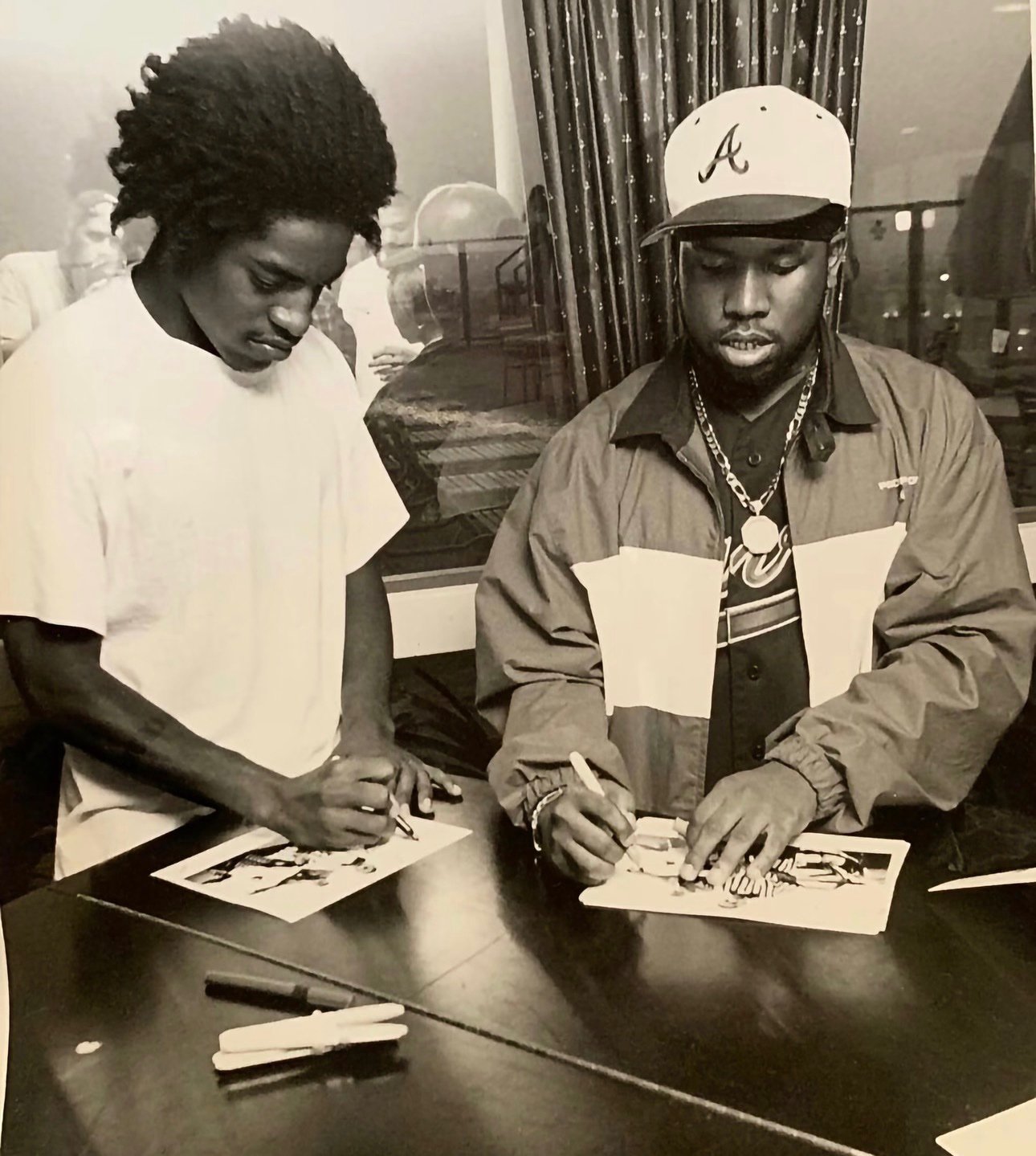
The story starts underground — literally. André and Antwan “Big Boi” Patton were teenagers out of Tri-Cities High School when they found their way to a red-clay basement in East Point owned by Rico Wade. They called it the Dungeon. With Wade, Ray Murray, and Sleepy Brown — the production trio Organized Noize — it became the engine room of a movement: the Dungeon Family, a collective that would later include Goodie Mob, Cee-Lo, and Killer Mike.
In 1994, LaFace Records released Southernplayalisticadillacmuzik. It wasn’t trying to sound like New York. It sounded like Cadillacs on Campbellton Road, like humidity, like church organs and live bass and Georgia slang worn without apology. It went platinum. More importantly, it gave Atlanta a voice that belonged to Atlanta.
A Run With Zero Repeats
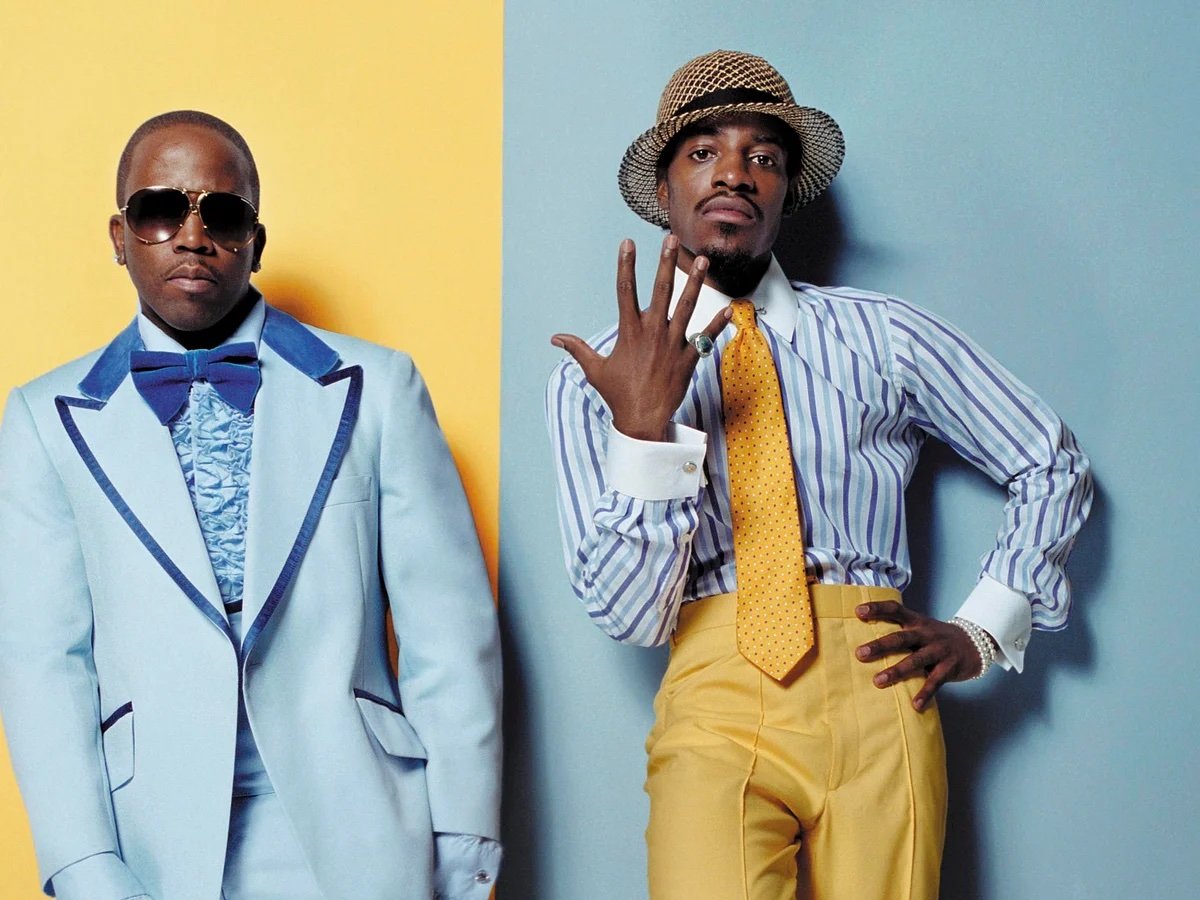
What separates OutKast from almost every act in history is that they never made the same album twice — and every pivot raised the bar.
- ATLiens (1996) traded pimp-era swagger for cosmic introspection, dub echoes, and outsider identity. They made being different the point.
- Aquemini (1998) fused Big Boi’s Capricorn grit with André’s Aquarius wanderlust. Harmonicas, live instruments, and “Rosa Parks” — still one of the most complete rap albums ever made.
- Stankonia (2000) went full psychedelic funk-rock. “B.O.B.” sounded like the future arriving early, and “Ms. Jackson” hit No. 1.
- Speakerboxxx/The Love Below (2003) was two solo albums in one sleeve. “Hey Ya!” and “The Way You Move” owned radio, the set went Diamond, and it took Album of the Year at the Grammys — making them the first rap group ever to win music’s top prize.
That run is the blueprint for artistic freedom in hip-hop. Every rapper who has since been told to stay in their lane and refused owes a debt to that catalog.
How OutKast Built Modern Atlanta
Before OutKast, Atlanta was a city with a music industry. After OutKast, Atlanta was the music industry.
They proved you didn’t have to move to New York or L.A. to make it. You could stay home, build home, and let the world come to you. That belief opened the door for everything that followed: the Dirty South era, crunk, Jermaine Dupri’s So So Def run, T.I. and trap, Jeezy, Gucci Mane, Future, Migos, 21 Savage, Lil Baby. Atlanta went from a regional market to the place where the sound of global hip-hop gets decided.
That’s not just culture — it’s an economy. Studios, labels, management firms, video production, strip-club breaking records, radio, fashion, and now film and TV all orbit a city that OutKast taught to believe in itself. The phrase “ATLiens” became a civic identity, so much so that the duo went to federal court to protect it, settling a trademark fight with an EDM duo in early 2026. When you own the name of a city’s spirit, that’s legacy with equity.
Style, Freedom, and a New Black Masculinity
OutKast’s influence on culture runs deeper than charts. They rewired what a rapper could look like and who he was allowed to be.
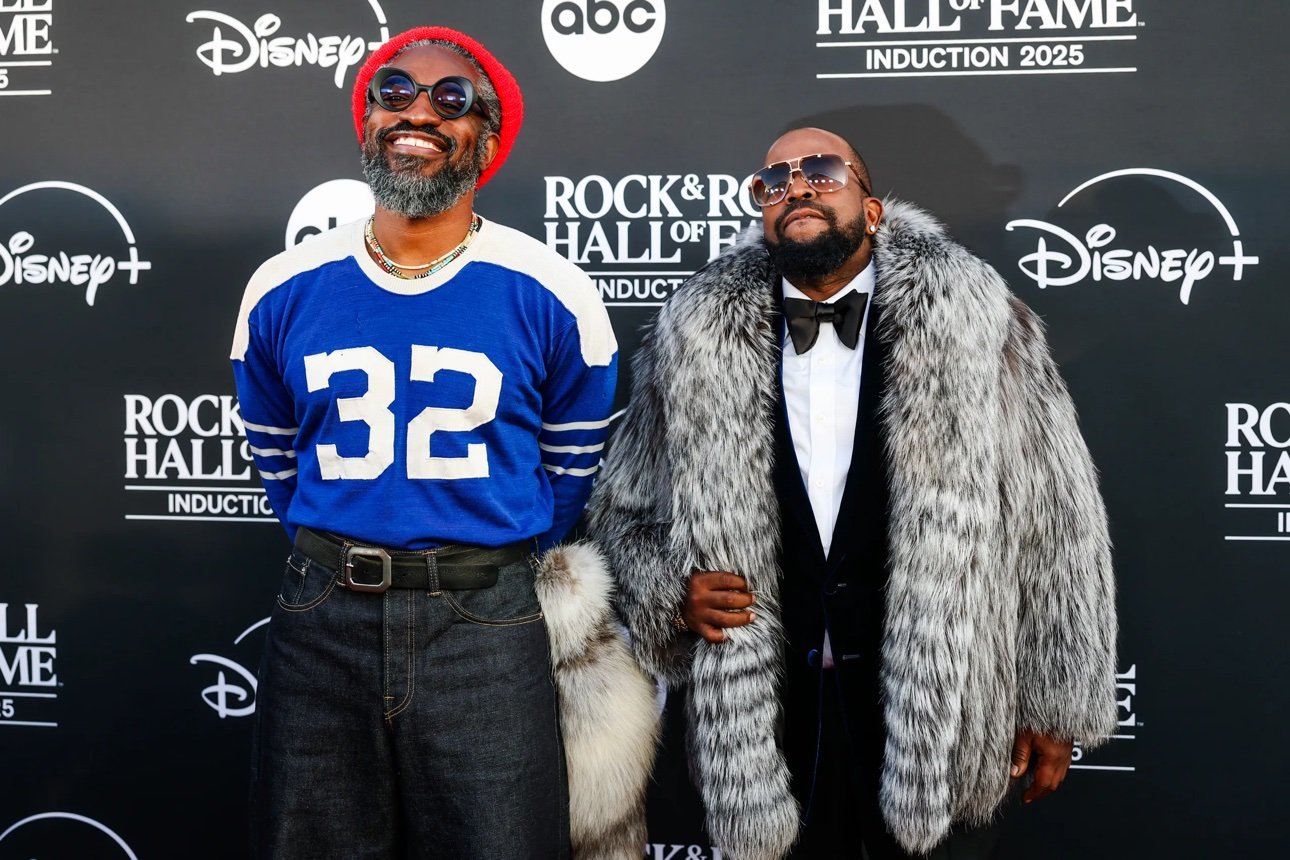
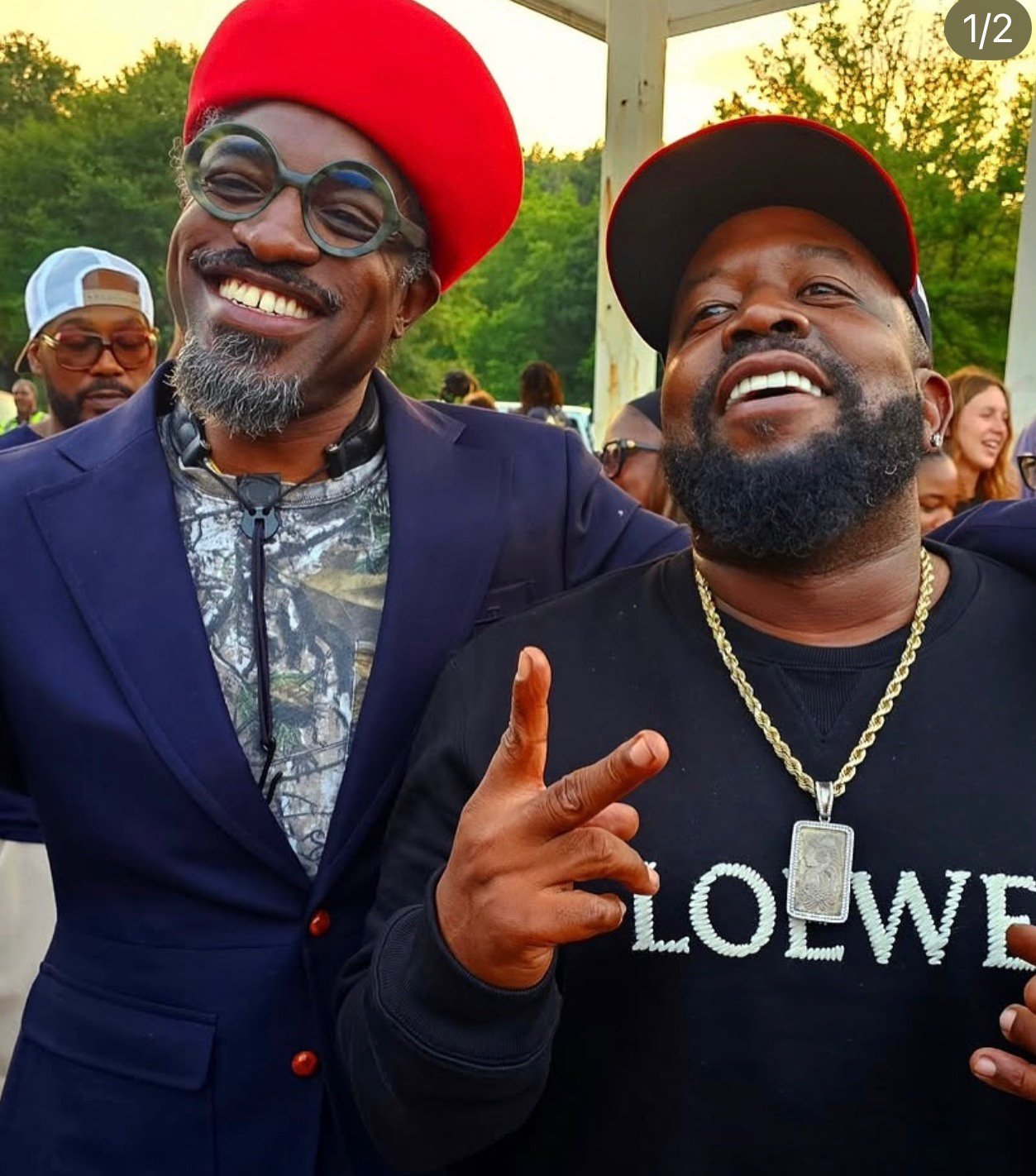
- Fashion as philosophy. André in platinum wigs, jumpsuits, and kilts. Big Boi in furs, gators, and pristine tailoring. Two opposite aesthetics, one stage — proof that Black men could be fly in more than one way. Decades later, that same split still shows up on red carpets, with one partner in a vintage jersey and beanie, the other draped in fur and a bow tie.
- Vulnerability as strength. “Ms. Jackson” was an apology to a child’s grandmother. “Prototype” was a love song without armor. They made emotional honesty cool long before it was a trend.
- Genre as a suggestion. Funk, gospel, rock, jazz, drum-and-bass, swing — they treated it all as fair game. Without OutKast, it’s hard to imagine Kanye’s range, Tyler, The Creator’s world-building, Childish Gambino’s Awaken, My Love!, Janelle Monáe, JID, or Kendrick’s ambition.
And they never stopped evolving. André went from “Hey Ya!” to a flute record, New Blue Sun, that earned an Album of the Year nomination. Big Boi stayed rooted at home, an Atlanta ambassador to the bone.
From Booed to Enshrined
On November 8, 2025, at the Peacock Theater in Los Angeles, OutKast was inducted into the Rock & Roll Hall of Fame on their first ballot — in a class alongside the White Stripes, Soundgarden, and Cyndi Lauper. Donald Glover presented, crediting them with capturing what it meant to be Southern, Black, and fully human all at once. Big Boi then ran a medley of the catalog with Tyler, The Creator, JID, Killer Mike, Janelle Monáe, and Doja Cat — a stage full of heirs paying the bill.
The full circle is almost poetic. The city that was booed in 1995 is now the capital of the culture. In 2024 the Dungeon Family lost its architect, Rico Wade, and the tributes poured in from every corner of music — a reminder of how far a basement in East Point reached. In 2025, Stankonia turned 25 with a deluxe reissue. And this past June, Big Boi headlined a free show in Decatur Square to kick off Atlanta’s World Cup celebrations — the hometown hero welcoming the world.
The Legacy Lesson
Strip away the music and OutKast’s story is a masterclass in building something that lasts: bet on where you’re from, refuse to be boxed in, partner with people whose strengths aren’t yours, and keep evolving after the world tells you who you are.
Two kids from East Point were told they didn’t belong. Thirty years later, everybody belongs to them.
The South had something to say. The whole world is still listening.
Sources
- FOX 5 Atlanta — OutKast’s Hall of Fame honor cements Atlanta’s music legacy
- XXL — OutKast inducted into 2025 Rock & Roll Hall of Fame
- Audacy — OutKast inducted into the Rock and Roll Hall of Fame
- Power 98 — OutKast settles ATLiens name dispute
- AllHipHop — OutKast news
- HipHop-N-More — Stankonia 25th anniversary reissue