Understanding the Importance of Gold and Silver Investments
Gold and silver have long been regarded as safe-haven assets, serving as a reliable store of value in times of economic uncertainty. Their historical significance dates back thousands of years, during which they have been utilized as currency and a medium of exchange. Even today, these precious metals are seen as a hedge against inflation and currency fluctuations, which is particularly important in a volatile economic landscape.
The intrinsic value of gold and silver is one of the key factors that attract investors. Unlike paper currencies that can be printed in unlimited quantities, gold and silver have a finite supply. Their scarcity, coupled with the growing demand for these metals in various industries—ranging from technology to jewelry—underscores their role as a vital asset class. Additionally, central banks often hold substantial reserves of gold as part of their monetary policy, further emphasizing its importance in the global economic framework.
Incorporating gold and silver into an investment portfolio can significantly enhance diversification. These metals often exhibit a negative correlation with traditional assets, such as stocks and bonds. During market downturns, gold and silver typically retain their value or may even appreciate, providing a buffer against losses in other investments. This characteristic makes them an attractive option for risk-averse investors seeking stability amid economic fluctuations.
Moreover, economic factors such as geopolitical tensions, rising inflation, and fluctuating interest rates can drive the demand for gold and silver higher. Investors tend to flock to these assets during periods of global uncertainty, viewing them as a safe refuge. Consequently, understanding the dynamics that affect the valuation and demand for these precious metals is crucial for informed investment decisions. By recognizing the importance of gold and silver investments, investors can better navigate the complexities of today’s financial markets.
Current Trends in Gold and Silver Markets
As of late 2023, the trends in the gold and silver markets are primarily characterized by increased volatility and fluctuating prices, driven by several macroeconomic factors. Gold has consistently been viewed as a safe-haven asset, particularly in times of economic uncertainty. Recent geopolitical tensions, inflationary pressures, and central bank monetary policies have contributed to heightened demand for gold. Over the last year, gold prices have shown a remarkable upward trajectory, with significant peaks that reflect investor sentiment in response to shifting economic indicators.
Silver, on the other hand, has witnessed price movements that are more closely tied to industrial demand, as well as investor interest. The growing emphasis on green technologies and renewable energy has spurred demand for silver, which is a critical component in various applications, including solar panels and electric vehicles. The price of silver has seen growth paralleling that of gold, although it tends to exhibit greater fluctuations due to its dual role as both an industrial commodity and an investment asset.
Factors driving these changes also include global interest rates and inflation rates. Recently, analysts have noted that the Federal Reserve’s stance on interest rates has a significant impact on both gold and silver prices. As interest rates remain low or are projected to rise, the opportunity cost of holding non-yielding assets like gold diminishes, supporting higher prices. Additionally, analysts predict that as inflation concerns persist, demand for both metals will continue to strengthen, driving prices higher in the forthcoming quarters. Historical data shows that periods of high inflation generally correlate with rising gold prices, further underpinning the appeal of these precious metals in uncertain times.
Market experts suggest that investors should closely monitor these trends and consider the various factors influencing gold and silver movements as they strategize for potential investments. Diversifying one’s asset portfolio by including these precious metals may provide a hedge against economic instability.
How to Invest in Gold and Silver: Methods and Strategies
Investing in gold and silver can be an effective way to diversify one’s portfolio and hedge against inflation. There are several methods available for investors looking to enter this market, each with its unique set of advantages and risks.
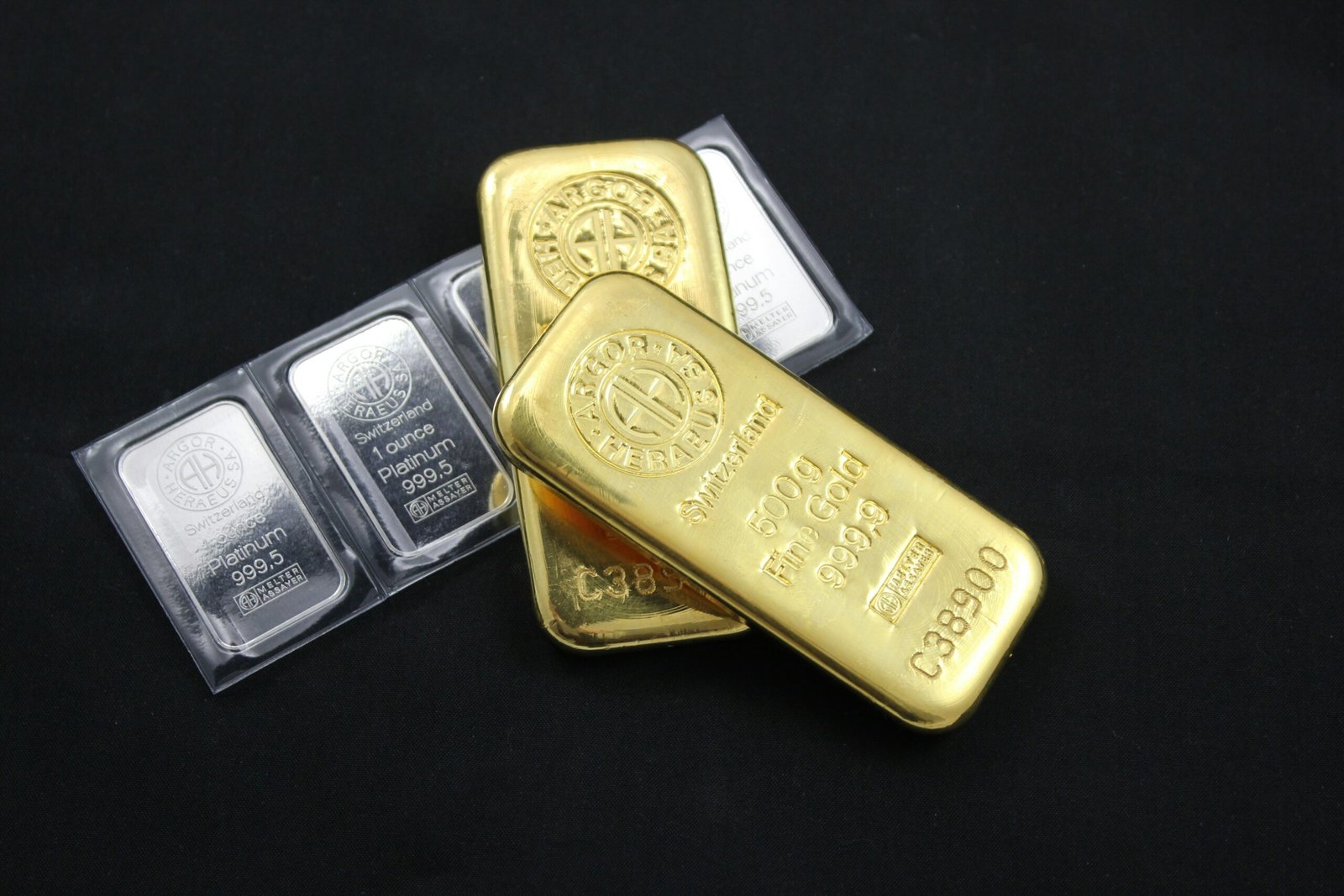
One of the most traditional approaches is investing in physical gold and silver, which includes purchasing coins, bullion, and bars. This form of investment allows individuals to physically possess the metals, potentially providing a sense of security. However, investors should be aware of the costs associated with storage and insurance, as well as the need to authenticate their purchases to avoid counterfeits.
Another popular method is to consider exchange-traded funds (ETFs), which track the price of gold and silver without requiring physical ownership. ETFs offer liquidity and ease of trading, allowing investors to buy or sell shares similar to stock transactions. Additionally, they eliminate concerns related to the storage and security of physical metals. However, it’s essential to note that investing in ETFs may involve management fees, which can affect overall returns.
Investors may also explore mining stocks as an alternative way to gain exposure to gold and silver. By investing in companies that mine these precious metals, one can potentially profit from both the rising prices of gold and silver as well as the operational success of the mining companies. This method offers a more indirect investment route but comes with risks tied to market volatility and company performance.
Other derivatives, such as options and futures contracts, can also be used to speculate on the future prices of gold and silver. While these instruments can offer significant rewards, they are complex and carry a higher level of risk, making them suitable only for experienced investors.
In conclusion, selecting the right method for investing in gold and silver depends on individual risk tolerance, investment goals, and market knowledge. By understanding the available options and implementing best practices, investors can position themselves for potential success in this valuable market.
Navigating Risks and Making Informed Decisions
Investing in gold and silver can offer a unique opportunity for wealth preservation; however, it is essential to recognize the potential risks involved. Market volatility is one of the primary considerations for investors in precious metals. Prices can fluctuate significantly due to a variety of factors, including changes in demand, economic indicators, and broader market trends. Understanding these dynamics is crucial for mitigating risks associated with sudden price swings that can affect the value of gold and silver investments.
Another significant risk includes geopolitical factors, which can impact the stability of precious metal prices. Events such as political unrest, trade disputes, or changes in government policy can create uncertainty in the market. Investors must remain vigilant and continuously monitor news and global events that could influence their holdings in gold and silver. This necessitates a proactive approach to research and analysis, which is vital to making informed decisions.
To navigate these risks effectively, developing a sound investment strategy tailored to individual financial goals is imperative. This approach should begin with a thorough assessment of one’s risk tolerance and investment horizon. Allocating a reasonable percentage of the overall portfolio to gold and silver, based on personal financial objectives, can provide a layer of security against economic downturns or inflationary pressures.
Moreover, diversifying investments within the precious metals sector can also help mitigate risks associated with market fluctuations. Investing in a mix of physical gold and silver, ETFs (exchange-traded funds), or mining stocks can allow investors to spread risk while maintaining exposure to potential upside in the precious metals market. Staying informed about global economic trends, market conditions, and potential changes in the regulatory landscape will fundamentally enhance your ability to make well-informed investment choices in gold and silver.